How to Choose Shade Sail Colours That Suit Your Home and Backyard
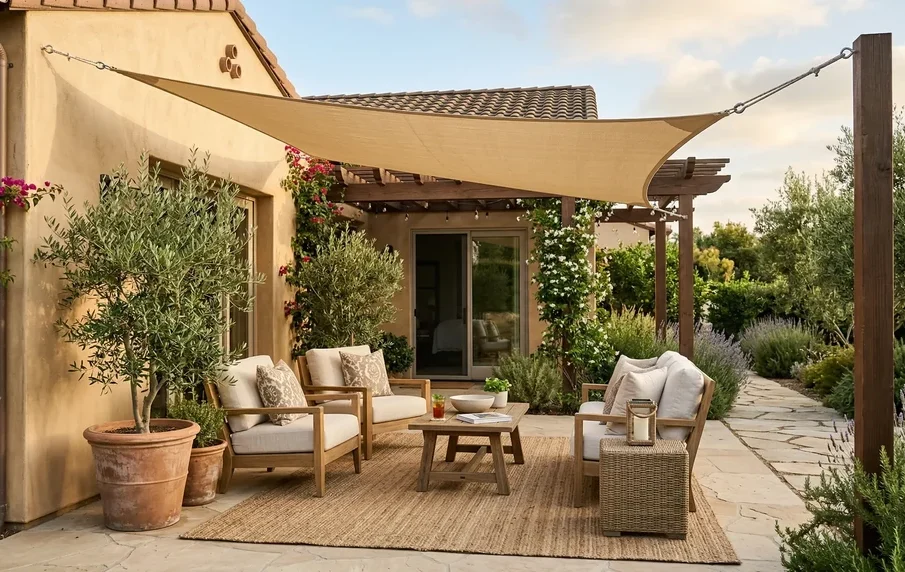
Colour changes how a shade sail performs, not only how it looks. The shade you pick affects UV protection, heat under the sail and how well the structure blends with your house. You will live with the result for 10 years or more, so choose carefully.
Homeowners comparing shade sails in Sydney often decide on size and shape first, then rush the colour choice at the end. That order leads to regret. A colour that looks good on a small swatch can feel glaring in a west-facing yard or clash with a terracotta roof.
Sydney’s harsh summer sun, coastal salt air and humid storms put fabric under constant stress. Shade sails across Sydney and the rest of Australia face some of the highest UV levels in the world. This guide explains how colour affects performance and appearance so you can choose with confidence.
How Colour Affects UV Protection
Darker fabrics generally block more UV. Dense pigments absorb radiation that lighter fibres let through. Charcoal, navy and deep green shade cloth often reach UV block ratings above 90 percent.
Lighter colours such as white, sand and pale grey still give solid protection, but their ratings usually sit a few points lower. Check the UV block figure for the exact colour you want. Ratings can vary between colours of the same fabric.
How Colour Affects Heat and Light
Colour also changes how the space feels underneath.
- Light colours reflect more heat off the top surface and let more daylight through. The area below stays bright.
- Dark colours absorb more heat but cut glare. The area below feels dimmer and more sheltered.
Breathable shade cloth lets hot air escape through the weave, so absorbed heat does not build up. Leave a gap between the sail and your walls or eaves to keep air moving.
Match Colours to Your Home Exterior
Treat the sail as part of the house. Take your colour cues from fixed features:
- Roof: Pick a tone that matches or complements your steel or tiled roof.
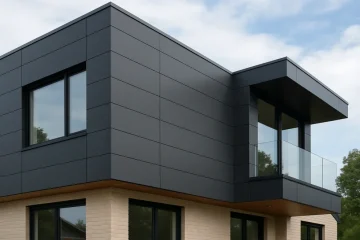
- Window frames and gutters: Charcoal and dark grey suit modern homes with black or dark frames.
- Brick and render: Sand, beige and olive sit well with warm brick. Cool greys suit white or pale render.
- Garden: Greens blend into established plantings and native gardens.
Limit your palette to two or three colours across the whole outdoor area. Too many tones make a small backyard feel busy.
Practical Colour Tips for Australian Backyards
- Match colour to use. Choose darker fabric over play areas and pools where UV exposure runs high. Choose lighter fabric over living areas near windows to keep daylight indoors.
- Plan for fading. Bright reds and yellows fade faster under strong sun. Neutral tones hold their colour longer.
- Think about dirt. White shows leaf litter, dust and mould quickly. Mid-tones such as grey and sand hide marks better.
- Layer complementary tones. Overlap two sails in related colours for depth without clutter.
- Check local rules. Some councils, strata schemes and heritage areas restrict visible colours.
- Test samples on site. Hold swatches outside at midday and late afternoon before you commit.
Pick dark colours for maximum UV protection and lighter colours for brightness and heat reflection. Match your sail to the roof, frames and brickwork, and keep the palette simple. Test samples in your own backyard, confirm the UV rating and check local rules. Get these steps right and your sail will protect and suit your home for years.