
Costs, Benefits, and What You Need to Know Solar Panel Installation in Thailand
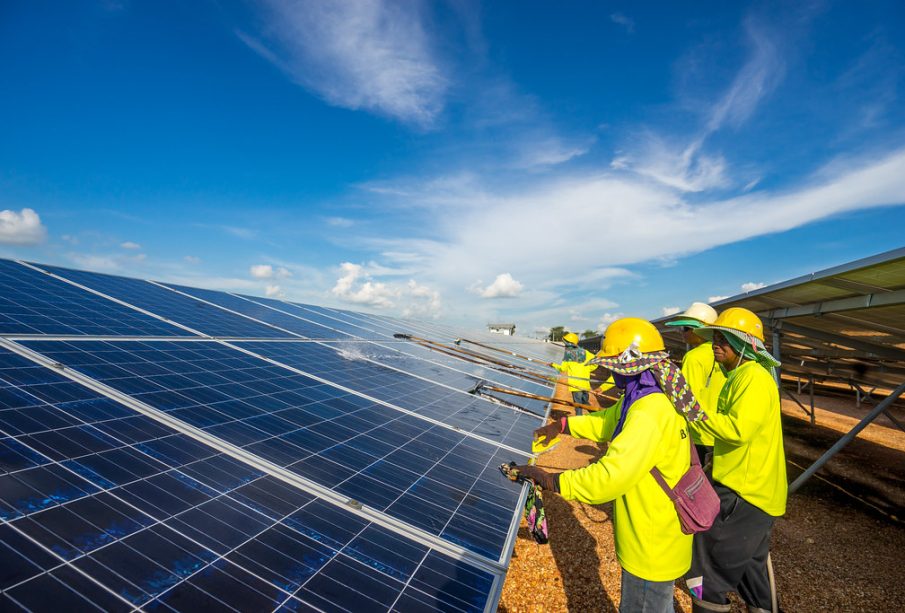
Thailand receives strong sunlight for most of the year, which makes it well suited for solar energy. Many homeowners and businesses now look at solar power panels installation as a way to cut electricity bills and rely less on the national grid. With rising power costs, the question is no longer if solar makes sense, but how to get started.
Before you plan any solar power panels installation, you need to understand the local setup. Thailand’s climate delivers steady sun across regions such as the Central Plains, the North, and the South. This consistent exposure means panels can produce a healthy amount of power throughout the year, even during the rainy season when clouds reduce output on some days.
A typical residential solar power panels installation in Thailand ranges in size from 3kW to 10kW, depending on your household needs. Businesses often install larger systems that reach 20kW or more. Choosing the right size depends on your monthly electricity usage, your roof space, and your budget.
What It Costs
Prices vary based on system size, panel quality, and the type of inverter you choose. As a rough guide, a 3kW home system often falls between 120,000 and 180,000 baht. A 5kW system usually costs around 200,000 to 280,000 baht. Larger commercial setups scale up from there.
Battery storage adds to the total. Many Thai households skip batteries at first and connect directly to the grid, which lowers the upfront price. Adding storage later gives you backup power during outages, but it can increase your costs by 100,000 baht or more.
The Benefits
Lower electricity bills top the list. A well sized system can offset a large share of your monthly power use, and some homes reduce their bills by half or more. Over time, these savings help you recover your initial spend, often within six to nine years.
Solar also gives you a hedge against rising energy prices. Thailand’s electricity tariffs tend to climb, so producing your own power protects you from future increases. There is an environmental upside too, since solar reduces reliance on fossil fuels and cuts carbon emissions.
Practical Information for Thailand
Grid connection matters. Thailand runs a net metering and net billing scheme through local authorities, which lets you sell surplus power back or offset your usage. Rules can differ between the two main provincial electricity providers, so check the current terms in your area.
You will need approval before connecting your system to the grid. This usually involves an application, a site inspection, and paperwork with your local electricity authority. A qualified installer can handle much of this process for you.
Roof condition and orientation affect output. South facing roofs with little shade perform best. Have your roof checked for strength, since panels last 25 years or more and add weight to the structure.
Maintenance stays simple. Occasional cleaning to remove dust and bird droppings keeps panels working well, and most systems need little attention year to year.
With the right planning, solar offers Thai homeowners and businesses a practical path to cleaner, cheaper power.


