
Kitchen Ideas That Help Reduce Clutter and Improve Organization
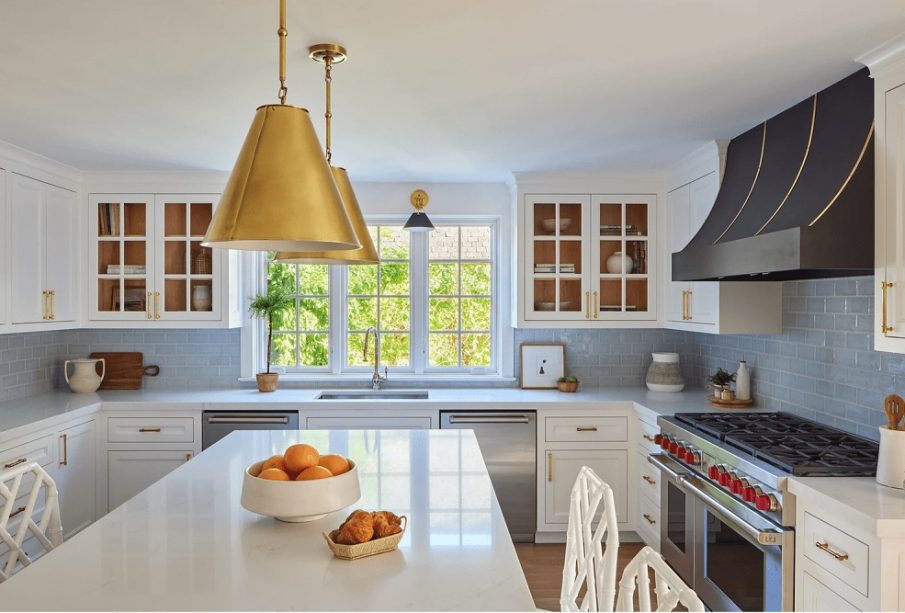
The kitchen is universally recognized as the heart of the home. It is a high-traffic hub where meals are prepared, families gather, and daily life unfolds. However, because it serves so many functions, the kitchen is also the room most susceptible to rapid clutter accumulation. Countertops easily become dumping grounds for mail, small appliances, half-used ingredients, and cooking utensils.
A cluttered kitchen does more than just look unappealing; it actively slows down meal preparation, increases food waste, and creates mental stress. Achieving an organized, efficient kitchen does not necessarily require a complete architectural remodel. Instead, it relies on implementing smart storage strategies, maximizing underutilized vertical space, and establishing strict organizational systems. This comprehensive guide outlines practical, highly effective design ideas and storage habits to eliminate kitchen clutter and optimize your workspace.
Maximizing Cabinet and Drawer Efficiency
Deep cabinets and wide drawers offer excellent storage volume, but without internal structure, they quickly turn into dark voids where items disappear. Optimizing the interior of your existing cabinetry is the first line of defense against clutter.
Transitioning to Deep Pull-Out Drawers
Traditional lower cabinets require you to get on your hands and knees to rummage through items stored at the back. Replacing standard base cabinet shelves with deep pull-out drawers completely changes the functionality of the space.
-
Full Extension Glides: Pull-out drawers equipped with full-extension glides bring the entire contents of the cabinet into plain view and easy reach. Use these deep drawers to store heavy pots, pans, lids, and small appliances.
-
Peg System Adjustments: Insert adjustable wooden pegboards into the bottom of deep drawers. These pegs can be rearranged to securely frame stacks of dinner plates, bowls, and storage containers, preventing them from shifting or chipping when the drawer opens.
Implementing Internal Drawer Dividers
Shallow drawers often become catch-all spaces for tangled cooking utensils. Installing custom or adjustable dividers ensures every tool has a dedicated home.
-
Diagonal Organizers: For long utensils like rolling pins, whisks, and silicone spatulas, utilize diagonal drawer dividers. Diagonal slots accommodate longer items that would not fit in standard vertical silverware trays.
-
Tiered Inserts: Double the capacity of deep cutlery drawers by installing a two-tiered sliding tray system. The top tray slides back to reveal secondary storage underneath for less frequently used baking tools.
Transforming the Countertop into a Prep Zone
Clear countertops are the ultimate hallmark of an organized kitchen. Your counters should be reserved strictly for active food preparation, not permanent storage.
The Appliance Garage Solution
Small appliances like blenders, toasters, food processors, and espresso makers occupy a massive amount of premium counter space. An appliance garage is a dedicated cabinet unit that sits directly on the countertop surface, equipped with a tambour or pocket door.
By installing electrical outlets inside this hidden cabinet, you can keep your coffee maker or toaster plugged in and fully operational while keeping them completely hidden from sight when they are not in use.
Utilizing Floating Shelves and Magnetic Strips
When counter space is limited, look upward. Vertical wall surfaces offer valuable real estate for functional storage.
-
Magnetic Knife Strips: Ditch the bulky wooden knife block that sits on the counter. Mount a heavy-duty magnetic stainless steel strip onto the backsplash to store your chef knives safely. This keeps your cutting tools accessible while freeing up horizontal space.
-
Targeted Floating Shelves: Install a single or double floating shelf above the prep area to hold frequently used items, such as daily coffee mugs, salt cellars, and olive oil cruets. Keep these shelves minimal to prevent them from becoming dusty clutter zones.
Optimizing the Pantry and Food Storage
A disorganized pantry leads to accidental double-purchasing and allows expired ingredients to hide at the back of the shelves. A structural overhaul of how you store food will streamline your grocery routines.
The Decanting Strategy
Storing food in its original plastic bags and mismatched cardboard boxes creates visual chaos and allows pests easy access. Decanting involves transferring dry goods into uniform, airtight glass or BPA-free plastic containers.
-
Uniform Square Canisters: Choose square or rectangular containers rather than round jars. Square canisters stack neatly side-by-side and top-to-bottom, eliminating the wasted ambient space that round jars create. Use them for flour, sugar, rice, oats, and pasta.
-
Labeling Integrity: Utilize a simple label maker or chalk markers to write the contents and the expiration date on the back of each canister. This ensures everyone in the household knows exactly where items belong.
Utilizing the Back of the Door
The inside panel of a pantry door is one of the most underutilized zones in the kitchen. Install a heavy-duty over-the-door shelving rack to store small items like spice jars, canned goods, oil bottles, and aluminum foil rolls, keeping the primary deep shelves open for large bulk items.
Engineering the Sink Zone and Waste Management
The area around the kitchen sink naturally attracts moisture, dirty dishes, and chemical cleaning bottles. Organizing this zone is essential for maintaining proper sanitation.
Under-Sink Pull-Out Racks
The space beneath a kitchen sink is inherently awkward due to vertical plumbing pipes, garbage disposals, and filtration systems. To conquer this area, install two-tiered sliding wire organizers that fit neatly around the pipes. Store dish soaps, sponges, garbage bags, and countertop sprays on these racks so you can pull the entire inventory out into the light instantly.
Integrated Waste and Recycling Centers
Tossing trash into a freestanding bin at the end of the counter creates an unsightly focal point and allows odors to escape. Dedicate one lower base cabinet close to the sink or dishwasher to a pull-out trash recycling center. This system hides two separate bins, one for landfill waste and one for recycling, completely out of view behind a seamless cabinet facade.
Frequently Asked Questions
What is the difference between a lazy Susan and a blind corner pull-out shelf?
A lazy Susan features circular trays that rotate around a central vertical pole, designed to fit inside corner cabinets to allow access to items as the shelf spins. A blind corner pull-out shelf, often called a magic corner, utilizes a mechanical track system where rectangular wire baskets are linked together. When you open the cabinet door, the front baskets pull entirely out of the cabinet while drawing the hidden back baskets into the front opening, maximizing deep rectangular corner space much more efficiently than a spinning circle.
How does the first-in, first-out method apply to home kitchen organization?
The first-in, first-out method is an inventory management practice borrowed from commercial restaurants. When you return home from grocery shopping, place the newly purchased canned goods, milk cartons, and boxed snacks behind the existing items already on your shelves. This simple rotation forces your household to consume the older items before they reach their expiration dates, significantly reducing accidental food waste and saving money.
Why should a homeowner avoid storing spices directly above or next to the kitchen stove?
While keeping spice racks directly next to or above the cooktop seems convenient for seasoning meals, the constant heat, steam, and airborne grease generated by the stove accelerate the degradation of the spices. High ambient temperatures dry out the essential natural oils that give spices their flavor, while steam introduces moisture inside the jars, causing powders to clump and harbor mold. Spices should be stored in a cool, dark, dry drawer or pantry cabinet.
What is the purpose of installing a toe-kick drawer in kitchen base cabinetry?
A toe-kick drawer is a shallow, hidden drawer installed in the recessed space between the bottom of the base cabinets and the kitchen floor, an area that is traditionally sealed off as wasted structural space. These drawers operate via a touch-activated spring mechanism that opens when tapped with your foot. Because they are shallow, toe-kick drawers are perfect for storing flat items like baking sheets, pizza stones, extra muffin tins, or seasonal place mats.
How do I determine which kitchen items should be stored on top of the upper cabinets?
The open space between the top of upper cabinets and the ceiling is a high-dust zone. Only store large, infrequently used items there, such as holiday serving platters, large turkey roasting pans, or seasonal cookie cutters. To prevent these items from becoming visual clutter, store them inside matching, clean storage baskets, and ensure everything is washed before use since airborne kitchen grease will settle on exposed items over time.
What steps are needed to properly organize a kitchen baking sheet storage cabinet?
Instead of stacking baking sheets, muffin tins, and cutting boards horizontally on top of one another, which requires moving the entire stack to reach the bottom item, store them vertically. Install vertical wood or metal slot dividers inside a narrow upper cabinet or base cabinet. Sliding baking sheets into these narrow vertical slots allows you to pull out an individual tray instantly without disturbing the surrounding items.
How does a command center help eliminate paper clutter from kitchen countertops?
A kitchen command center is a small, dedicated wall zone, often located on the side of a refrigerator or an empty wall near the entryway, designed to capture incoming paper before it reaches the counter. It typically incorporates a small magnetic whiteboard, hooks for car keys, and a wall-mounted file organizer labeled for mail, school papers, and monthly bills. This structural boundary keeps paperwork contained, organized, and entirely off the active cooking surfaces.


