Luxury Interiors with Polyurethane Moulding: Design Ideas and Inspiration
Thai homes have long balanced elegance with comfort, blending traditional touches with modern sensibilities. One material helping designers achieve this balance is polyurethane moulding (known as บัวฝ้าโพลียูรีเทน in Thai). Lightweight, durable, and easy to install, it brings refined detail to walls, ceilings, and doorways without the weight or cost of solid wood or plaster.
Across Bangkok condominiums and countryside villas, polyurethane mouldings give rooms a polished finish. They resist Thailand’s heat and humidity far better than timber, which can warp or attract termites over time. This makes them a practical choice for homeowners who want lasting beauty in a tropical climate. Because the material holds intricate patterns, it suits both classic European styling and softer Thai-inspired themes.
Designers appreciate how easily polyurethane moulding adapts to different rooms. In a formal living area, cornices and ceiling roses add height and drama. In bedrooms, wall panels create calm, structured backdrops. The material takes paint well, so you can match it to warm neutrals, deep teak tones, or bright whites that reflect natural light.
Ideas for Living Spaces
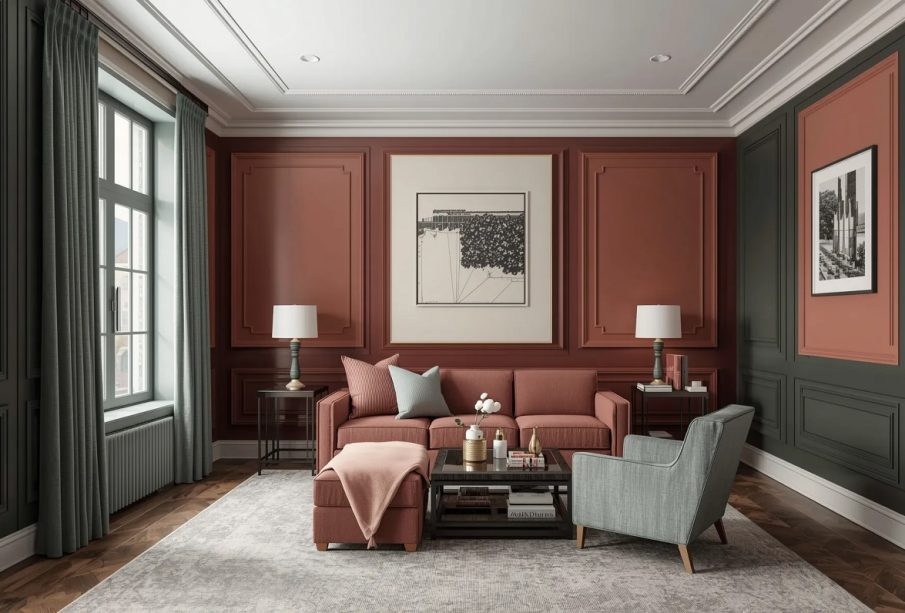
Consider framing your walls with decorative panels arranged in symmetrical grids. This technique, popular in luxury Thai residences, adds depth without clutter. Pair light-coloured panels with dark wood furniture for contrast, or keep everything in soft ivory for a bright, airy feel.
Ceiling details also make a strong impression. A central medallion beneath a pendant light draws the eye upward and gives the room a sense of grandeur. In older Thai townhouses with high ceilings, layered cornices soften the transition between wall and roof, adding warmth to tall spaces.
Blending Thai and Classic Styles
Thai interiors often feature natural materials such as teak, silk, and stone. Decorative mouldings complement these textures beautifully. Try installing simple, clean profiles that echo the lines of traditional Thai woodwork. Avoid overly ornate designs if your home leans minimalist, and choose bolder patterns for spaces inspired by grand colonial architecture.
Colour plays a big role too. Many Thai homeowners favour warm golds, deep reds, and earthy browns. Painting mouldings in these shades ties them into the room’s palette. For a fresher look, white or pale grey mouldings against coloured walls create striking definition.
Practical Tips for Installation
Before you buy, measure your walls and ceilings carefully. Plan the layout so patterns stay consistent around corners and doorways. Because polyurethane is light, most pieces attach with adhesive and a few nails, making installation faster than heavy alternatives.
Keep maintenance simple. Wipe surfaces with a damp cloth to remove dust, and repaint every few years to keep colours vivid. The material does not swell or crack in humid conditions, so it stays looking sharp season after season.
Bringing It All Together
Luxury interiors depend on thoughtful details. Decorative moulding offers an affordable, flexible way to add character to any Thai home. From ornate ceiling designs to clean wall panels, the options suit every style and budget. Start small with a single feature wall, then build your look room by room until your home reflects the refined, comfortable elegance you imagine.