

Home décor is more than just arranging furniture and adding decorative elements to a space—it is the art of creating a haven that resonates with one’s personality, evokes emotion, and cultivates comfort. As we spend increasing amounts of time within the walls of our homes, it has become essential to think of our living environments as reflections of who we are and what we value. From the grandeur of a sprawling living room to the serene quiet of a bedroom, home décor allows us to transform even the most mundane areas into expressions of individuality.
In this article, we will explore the core elements that make up effective home décor, how to use style to create a cohesive atmosphere, and the role that functionality plays in a beautifully designed home.
The Foundation of Good Home Décor: Style and Personality
Home décor begins with a clear vision of what kind of atmosphere you wish to cultivate. Whether it’s a minimalist sanctuary or a bold, eclectic blend of colors and textures, your décor should be an extension of your personal taste. When thinking about your style, it is helpful to focus on the feelings and moods you want to evoke. Do you want your space to feel cozy and intimate? Do you prefer an airy, open vibe that reflects tranquility? The design elements you select should echo these desires.
Interior design often divides décor into several styles, such as traditional, modern, industrial, rustic, or bohemian. However, there is no rigid rule when it comes to home décor. Many successful designs blend aspects of multiple styles, allowing homeowners to incorporate their favorite elements while maintaining an overall sense of cohesion. For example, a traditional sofa might sit comfortably alongside a modern art piece, bridging the gap between the past and the present. These eclectic mixes bring a sense of surprise and individuality to any home.
Choosing a dominant color scheme is also essential to creating harmony. Soft neutrals like taupes, whites, and grays provide an elegant backdrop for pops of vibrant hues, while darker tones like charcoal or navy create an atmosphere of sophistication. A well-thought-out color palette can impact how a space feels—cool tones such as blues and greens are calming, while warmer shades like reds and yellows inject energy into a room.
The Role of Functionality: Practicality Meets Aesthetic
While style is important, functionality should never be sacrificed for the sake of appearance. A beautiful living room can easily become an underutilized space if the furniture is uncomfortable or the layout is impractical. Home décor must strike a balance between form and function to truly enhance the living experience.
Start by considering the purpose of each room. A living room should invite conversation, so it might be best to arrange seating in a way that facilitates interaction. Likewise, the dining room should offer ample seating and table space for family gatherings or dinner parties. In the kitchen, where efficiency is key, it’s important to design with practicality in mind—cabinets and storage solutions should be abundant, and appliances should be within easy reach.
Lighting is another crucial aspect of functionality. The right lighting can transform a room, enhancing the overall mood and making spaces feel more expansive. Layering light sources—ambient, task, and accent lighting—will create depth and interest. For instance, a chandelier can serve as a focal point in a dining room, while strategically placed task lighting can ensure functionality in a home office.
Multifunctional furniture also plays an important role in making spaces more practical. Consider a sofa that doubles as a bed or a coffee table that can be transformed into a dining table. Especially in smaller spaces, such pieces allow for fluidity and adaptability.
The Importance of Textures and Materials
One of the key features of home décor is the textural contrast that different materials bring to a space. Textures not only enhance the visual appeal of a room but also engage the senses, contributing to the comfort and atmosphere of a home.
A mix of textures creates a layered, dynamic look. For example, pairing a plush velvet cushion with a sleek leather armchair can add an element of sophistication to your living room. A shaggy rug contrasts beautifully with polished hardwood floors, bringing warmth to the space. Textiles such as linen, wool, and cotton are perfect for soft furnishings like throw pillows, curtains, and bedspreads, as they add comfort and visual interest.
Materials also have the power to tell a story. Marble countertops in the kitchen or bathroom speak of timeless luxury, while reclaimed wood furniture brings an earthy, rustic charm. Sustainable materials such as bamboo or cork are not only eco-friendly but also bring a natural aesthetic that complements modern design sensibilities.
The Power of Personalization: Adding Unique Touches
A home truly feels like a sanctuary when it reflects the personality of its inhabitants. Personalization is the final layer that makes a space unique and meaningful. Whether through family photographs, treasured heirlooms, or a collection of art, these touches imbue a room with character and warmth.
Art is particularly impactful in home décor. A well-chosen painting, photograph, or sculpture can serve as a conversation starter and become a focal point in any room. It’s also a wonderful way to inject color, emotion, and even humor into a space. Whether it’s a large-scale canvas or a series of smaller pieces, art brings an undeniable energy that can completely change the feel of a room.
Another aspect of personalization is the incorporation of travel souvenirs, books, or handcrafted items that have sentimental value. These objects don’t just serve as décor; they tell stories, spark memories, and remind you of places, people, and experiences that have shaped who you are.
Conclusion: A Home That Reflects You
Home décor is a dynamic process—one that requires thought, intention, and an eye for beauty. It’s not about filling your space with trendy items or expensive pieces but about creating an environment that nurtures your spirit and fits your lifestyle. When done thoughtfully, home décor has the power to make any house feel like a sanctuary, a place of refuge where you can retreat from the world and simply be yourself.
Whether you’re working with a limited budget or a grand design vision, the key is to prioritize elements that speak to you and fit seamlessly into the fabric of your daily life. Your home is a canvas waiting to be transformed by the interplay of color, texture, and personality—and there’s no limit to the possibilities you can create when you embrace the art of home décor.
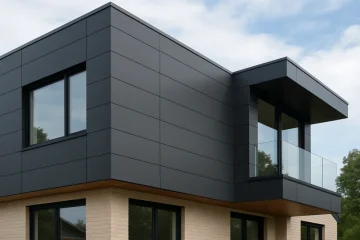
Creative Ways to Use Architectural Cladding Inside the Home
August 19, 2026

Comments are closed.


Latest Posts
-

-

Creative Ways to Use Architectural Cladding Inside the Home
August 19, 2026 -

-

How a Tidy Living Room Contributes to Better Pest Control
August 5, 2026 -

How to Settle Into Your New Home More Quickly
August 5, 2026
Recent Posts
- Costs, Benefits, and What You Need to Know Solar Panel Installation in Thailand August 24, 2026
- Creative Ways to Use Architectural Cladding Inside the Home August 19, 2026
- How to Future-Proof Your Home’s Electrical Infrastructure for the Next Decade August 19, 2026
- How a Tidy Living Room Contributes to Better Pest Control August 5, 2026
- How to Settle Into Your New Home More Quickly August 5, 2026
Categories
- Building (5)
- Featured (1)
- Home (89)
- Interior Design (7)
- Kitchen (4)
- mover (6)
- News (1)
- Pest Control (1)
- Solar (1)