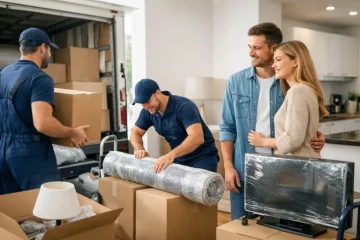
The Mover’s Role: From Stressful Transitions to Seamless Shifts

Moving is often cited as one of life’s most stressful events, ranking alongside job changes, divorce, and the loss of a loved one. Whether it’s relocating for a job, upgrading to a new home, or shifting to a more convenient location, the act of moving involves an overwhelming combination of logistics, physical labor, emotional adjustment, and financial planning. However, one figure stands steadfastly between chaos and calm: the mover. Professional movers are the unsung heroes of this tumultuous process, ensuring that possessions, memories, and everything in between are transported safely, efficiently, and with a sense of ease that most of us can only hope for in such a disruptive transition. In this article, we’ll explore the role of movers, their essential skills, and why their services are indispensable in modern life.
The Many Faces of Moving: A Multifaceted Service
At its core, the job of a mover is straightforward: they transport belongings from one place to another. However, this seemingly simple task involves a wealth of expertise and a variety of services that go far beyond simply loading and unloading boxes. Movers can specialize in a range of areas depending on the nature of the move, whether it be residential, commercial, or specialized transport of fragile or high-value items.
Residential Movers
Residential moving is arguably the most common type of move that people think of when they hear the term “mover.” This type of move typically involves a family or individual relocating from one home to another, whether across town or across the country. Movers in this field are responsible for packing, loading, transporting, and unloading household items. They must handle furniture with care, ensuring that it arrives at the new home undamaged. Additionally, residential movers are skilled in organizing the logistics of the move, including optimizing the truck space for maximum efficiency and ensuring that the proper equipment, such as dollies, straps, and blankets, is used to protect both the belongings and the property.
One key aspect of residential moving is the personal connection that often forms between movers and their clients. Many people experience emotional attachment to the items in their home—family heirlooms, cherished artwork, or personal keepsakes. A mover must not only take care with these objects but also provide a sense of reassurance and professionalism throughout the process. This level of service can significantly reduce the stress of what would otherwise be a physically demanding and emotionally taxing day.
Commercial Movers
Commercial moves are another critical service provided by movers. These moves typically involve businesses, large offices, or entire commercial establishments that are relocating to a new location. Commercial movers must have a keen understanding of the logistics involved in these large-scale projects, which often include complex equipment, sensitive documents, or technology that requires special handling.
For example, office moves may require movers to disassemble and reassemble desks, cubicles, or workstations, ensuring that the process doesn’t disrupt ongoing business operations. Additionally, they may need to transport fragile items such as computers, printers, or servers, which require packing in specialized materials to ensure their safety. The commercial moving process also demands impeccable time management, as businesses often operate on tight schedules and can’t afford significant downtime during the move.
Specialized Movers
Not all items fit neatly into the standard categories of furniture or office equipment. For particularly sensitive, valuable, or large items, specialized movers are often called upon. Whether it’s a delicate grand piano, fine art, or antique furniture, these movers are trained in the intricacies of transporting objects that require both precision and care. High-value items, such as fine art or expensive machinery, often require climate-controlled environments during transit to prevent damage. Movers in this niche often work closely with specialists to ensure the best practices for preserving the integrity of the items they transport.
The Skills and Expertise of a Professional Mover
While the physicality of moving is often the first thing that comes to mind, the true expertise of a mover lies in the skill set they develop over time. Movers must possess a combination of technical knowledge, problem-solving abilities, and a keen sense of organization to execute a successful move. Here are some of the critical skills required for the job:
Physical Strength and Stamina
Moving heavy furniture, boxes, and other household items requires physical strength, but it is not simply about brute force. Movers must be well-trained in lifting techniques that reduce the risk of injury, such as bending with their knees and using their legs to lift rather than their backs. Stamina is another key component, as the physical labor can last for hours or even days, depending on the size of the move. Movers are also trained to handle heavy items such as large appliances, refrigerators, and mattresses with ease and care.
Logistical Thinking and Organization
A successful move involves much more than just loading up a truck and driving to the new location. Movers must be able to effectively organize and plan the sequence of events, taking into consideration how items are packed, the most efficient route for the move, and how to best utilize the space in the moving truck. Efficiency in packing not only reduces the risk of damage but also helps streamline the unloading process, saving time and effort on the day of the move.
Customer Service and Communication
In addition to physical labor and logistical coordination, moving also requires a strong customer service component. A professional mover must be friendly, communicative, and empathetic to the stresses that clients are going through. Clear communication is key, from explaining the timeline of the move to confirming details about special handling instructions. Movers must be adept at managing expectations and remaining calm under pressure. A positive and reassuring attitude can make a significant difference in a client’s experience during what can be a highly stressful time.
Problem Solving and Adaptability
No two moves are alike, and unexpected obstacles can arise at any moment. Movers must think on their feet and adapt to the changing circumstances of the job. Whether it’s navigating narrow hallways, encountering weather delays, or dealing with last-minute changes in plans, a mover’s ability to stay flexible and solution-oriented is invaluable. This skill also extends to ensuring the safe transport of delicate or high-value items, which may require creative packing solutions or additional protective measures.
The Financial Value of Hiring Movers
While the cost of hiring movers may seem daunting at first, the value they provide often outweighs the price tag. Professional movers save you time, energy, and potential damage to your belongings. A DIY move may seem like a cost-effective alternative, but it can quickly become more expensive when factoring in rental trucks, fuel costs, and the potential for broken or damaged items. Furthermore, moving without the proper equipment and expertise can lead to physical injuries or stress-related issues, which can be avoided by enlisting the help of professional movers.
Moreover, movers can often offer additional services such as packing, unpacking, and temporary storage, all of which contribute to making the moving process more seamless. By handling the logistics, you free yourself from worrying about the details, allowing you to focus on the excitement and anticipation of settling into a new space.
The Environmental Impact of Moving
In recent years, moving companies have also begun to consider their environmental impact. Sustainable practices, such as the use of eco-friendly packing materials, reducing fuel consumption with efficient route planning, and offering recycling services, are becoming more common in the industry. Some movers even offer reusable moving boxes, reducing the need for single-use cardboard and plastic. As consumers become increasingly conscious of their environmental footprint, these green initiatives will likely continue to shape the future of the moving industry.
Conclusion: The Unsung Heroes of Transition
Movers are much more than just people who carry heavy loads. They are professionals skilled in logistics, customer service, and problem-solving. Their expertise ensures that an often stressful and chaotic process is handled with precision, care, and efficiency. Whether moving across town or across the country, movers are there to ease the transition, providing invaluable assistance in one of life’s more challenging tasks. By recognizing the many facets of a mover’s role, we can better appreciate the essential service they provide, transforming what could be an overwhelming experience into a seamless and manageable one.