
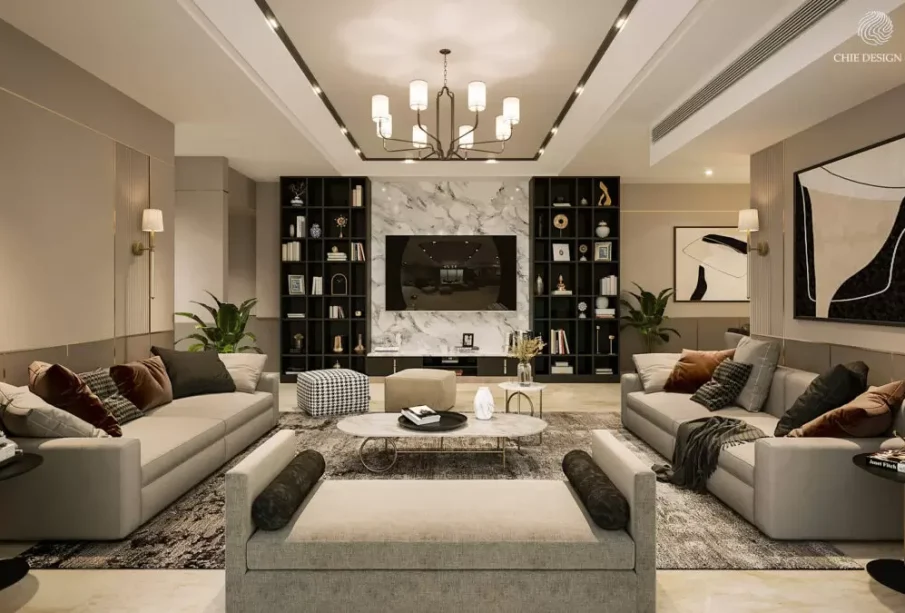
Interior design is an intricate blend of artistry, psychology, and functionality. It goes beyond the mere arrangement of furniture and décor; it’s about creating environments that evoke emotion, elevate mood, and enhance the quality of life. As a reflection of our personalities, preferences, and aspirations, the spaces we inhabit often serve as silent storytellers. Whether it’s a luxurious penthouse, a cozy studio apartment, or an office space meant to inspire creativity, interior design is a powerful tool in shaping our daily experiences and interactions with the world.
At its core, interior design is about more than just aesthetics. It is a thoughtful, purposeful process that combines elements of architecture, color theory, spatial planning, and psychology to create spaces that are not only beautiful but also functional and harmonious. A well-designed interior can make a person feel at home, evoke a sense of calm, or spark creativity, while poor design can have the opposite effect—contributing to feelings of discomfort, stress, or even disorientation. In this article, we explore the facets of interior design, its evolution, and its impact on the spaces we live and work in.
The Foundations of Interior Design
Interior design is not a new phenomenon. Ancient civilizations understood the power of space. The Egyptians, for example, used bold colors and geometric shapes in their tombs to reflect both religious beliefs and a desire to express status and wealth. In ancient Greece and Rome, the importance of harmony and proportion in space was paramount, with a particular focus on open, airy layouts that encouraged relaxation and contemplation.
However, interior design as we know it today emerged in the late 19th and early 20th centuries. The Industrial Revolution brought about significant changes in the way people lived and worked. New materials, such as steel and glass, allowed for more open floor plans and larger windows. With these changes, the role of interior design evolved from simple decoration to a more sophisticated, multi-dimensional practice that focused on both beauty and practicality.
Interior designers today are often tasked with balancing the historical and the modern, merging styles and techniques to create personalized spaces. Whether working with a minimalist aesthetic or embracing maximalism, the fundamental principles of interior design remain the same: form, function, and the harmonious relationship between them.
The Psychological Impact of Interior Design
A significant, albeit often overlooked, aspect of interior design is its psychological impact on individuals. The layout of a room, the colors on the walls, and even the textures of the fabrics and materials all influence our emotional well-being. This is not simply a matter of personal preference; it’s rooted in science and the ways our brains respond to visual stimuli.
For instance, colors have a profound effect on mood and behavior. Blue is often associated with calm and tranquility, which is why it’s a popular choice for bedrooms and bathrooms. On the other hand, vibrant reds and oranges are energizing and stimulating, making them ideal for spaces like kitchens or creative studios. Neutral tones, such as beige and gray, tend to create a sense of balance and sophistication, which is why they are often used in living rooms and offices.
Lighting is another crucial component that affects how we feel in a given space. Natural light is known to boost mood and productivity, which is why spaces that have large windows and access to the outdoors are highly sought after. Artificial lighting, too, plays a role in shaping a room’s atmosphere. Soft, warm lighting creates a cozy, inviting space, while bright, white lighting can enhance focus and alertness.
Texture and material choice are also vital in creating an atmosphere that resonates with the inhabitants of a space. Smooth, polished surfaces like glass and marble convey a sense of sophistication and luxury, while rougher textures such as wood or stone bring a feeling of warmth and groundedness. In this sense, interior design is not just about creating a space that is visually appealing, but also one that touches our senses and enhances our emotional experience.
Style: Reflecting Personality and Purpose
One of the most exciting aspects of interior design is the ability to reflect personality through style. Whether one leans toward a modern, minimalist look, or prefers a more eclectic, bohemian vibe, the style choices in interior design allow for endless self-expression. It’s not just about how a space looks, but also about how it makes us feel.
Minimalism, for example, emphasizes simplicity, clean lines, and an open flow, encouraging mindfulness and serenity. A minimalist design often uses neutral colors, a limited amount of furniture, and the absence of unnecessary décor to create a sense of peace and order. This style works particularly well in urban environments where space is at a premium, allowing for efficient use of available square footage while promoting a calm, clutter-free environment.
In contrast, maximalism is all about embracing abundance. Bold colors, rich textures, and a mix of patterns create an energetic, vibrant atmosphere. The goal is to create a space that feels lived-in, layered, and full of life. Maximalist designs may blend vintage and modern pieces, showcase personal collections, or make bold statements through artwork or furniture. This style reflects a personality that is creative, open to change, and not afraid to take risks.
There are also countless hybrid styles, where elements of traditional, contemporary, industrial, and mid-century modern aesthetics are fused to create something entirely unique. The ability to mix and match styles allows for an almost infinite range of possibilities, making it possible to design a space that is as individual as the person who occupies it.
Functionality: The Heartbeat of Interior Design
While style is undoubtedly important, functionality is equally crucial in the practice of interior design. A beautiful space is meaningless if it fails to serve the practical needs of its inhabitants. A key part of interior design is the ability to assess how a space will be used, considering factors such as flow, comfort, and efficiency.
For example, in a kitchen, the design must prioritize functionality—ensuring that the layout supports the tasks that need to be done, such as cooking, cleaning, and food preparation. The use of the kitchen triangle principle, which organizes the sink, stove, and refrigerator in a triangular layout, is one such design strategy aimed at maximizing efficiency. Similarly, in office spaces, ergonomic furniture and flexible layouts can help improve productivity and employee well-being.
Storage is another element of functionality that is often overlooked but plays a significant role in the success of interior design. In smaller homes or apartments, thoughtful storage solutions—such as built-in shelving or multi-purpose furniture—can make a dramatic difference in maintaining a clean, organized environment.
Sustainability: Designing for a Better Future
As concerns about the environment grow, sustainability has become an increasingly important consideration in interior design. Sustainable design practices focus on using eco-friendly materials, reducing waste, and incorporating energy-efficient systems to minimize the environmental impact of construction and renovation projects.
Reclaimed wood, bamboo, cork, and recycled glass are just a few examples of materials that are both sustainable and stylish. Designers are also turning to energy-efficient lighting, smart home technologies, and green building certifications such as LEED to ensure that the spaces they create are not only beautiful but also environmentally responsible.
The growing demand for sustainability has led to a broader shift in consumer values. People are more conscious of the environmental footprint of their homes and offices, seeking designs that reflect their commitment to a greener future. This evolving trend will likely continue to shape the field of interior design for years to come.
Conclusion: The Power of Thoughtful Design
Interior design is not just about creating visually appealing spaces—it is about crafting environments that improve the way we live. A well-designed space can inspire creativity, foster relaxation, and elevate everyday experiences. Whether designing a home, an office, or a public space, interior design has the power to influence our emotions, shape our behaviors, and enhance our quality of life.
Through a thoughtful blend of color, texture, layout, and functionality, interior design offers an opportunity to create spaces that not only reflect our personal styles but also contribute to our well-being. In a world that is constantly evolving, the art of interior design continues to grow, adapt, and inspire, reminding us of the profound impact our environments can have on our lives.
Comments are closed.
-

Electric Gates: A Key Player in Smart Home Automation
July 12, 2023 -

-

How Tree Removal Helps with Urban Planning and Development
January 8, 2025
Latest Posts
-

-

Creative Ways to Use Architectural Cladding Inside the Home
August 19, 2026 -

-

How a Tidy Living Room Contributes to Better Pest Control
August 5, 2026 -

How to Settle Into Your New Home More Quickly
August 5, 2026
Recent Posts
- Costs, Benefits, and What You Need to Know Solar Panel Installation in Thailand August 24, 2026
- Creative Ways to Use Architectural Cladding Inside the Home August 19, 2026
- How to Future-Proof Your Home’s Electrical Infrastructure for the Next Decade August 19, 2026
- How a Tidy Living Room Contributes to Better Pest Control August 5, 2026
- How to Settle Into Your New Home More Quickly August 5, 2026
Categories
- Building (5)
- Featured (1)
- Home (89)
- Interior Design (7)
- Kitchen (4)
- mover (6)
- News (1)
- Pest Control (1)
- Solar (1)