The Art of Building: A Fusion of Vision, Craft, and Dedication
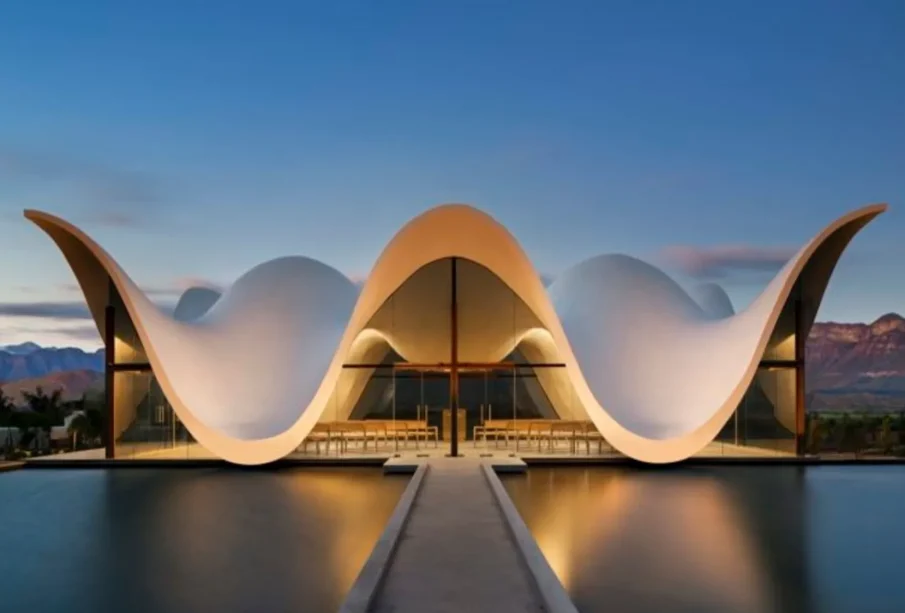
In the tapestry of human achievement, building stands as a monumental testament to our ability to transform raw materials into functional, purposeful creations. From towering skyscrapers that scrape the heavens to intimate homes that cradle families in their embrace, the act of building is a profound expression of both human ingenuity and aspiration. While many may perceive it as a purely mechanical process—construction, design, engineering—there lies beneath the surface an intricate dance of creativity, technical mastery, and vision.
At its core, building is a means by which humanity shapes its environment, embedding both practicality and aesthetic value into the very fabric of our surroundings. Whether in the context of a grand architectural project, a small-scale renovation, or the creation of something entirely novel, building is both a skill and an art form. It requires not only knowledge but also intuition, a respect for materials, and an understanding of how the spaces we create influence the lives within them.
Vision: The Blueprint of Ideas
Every structure begins with an idea, a vision that starts as a mere spark in the mind of an architect, a designer, or perhaps even a homeowner. This vision often arises from a specific need: the demand for shelter, the desire for beauty, or the pursuit of something innovative that has never been done before. Regardless of the size or scope, every building tells a story—one that is first conceived in the imagination before it is translated into something tangible.
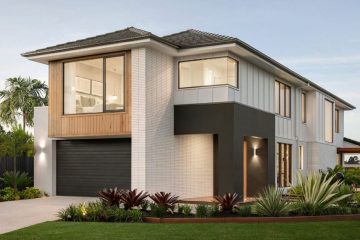
Vision is the foundation of the entire process. It informs every decision, from the layout and materials to the integration of function and form. It’s where the architect’s creativity intertwines with practical considerations. For example, a building designed with sustainability in mind must incorporate energy-efficient systems, utilize eco-friendly materials, and respect the natural landscape surrounding it. A residential home designed with family dynamics in mind will have spaces that foster connection while providing privacy. Here, building transcends the mere act of construction and becomes an expression of identity and intention.
Design: Where Form Meets Function
While the vision is abstract, design is the roadmap that brings it to life. It’s the bridge between the concept and its realization, balancing artistic aspiration with technical constraints. In architecture and construction, design is not merely about how a building looks; it is also about how it functions. The intersection of these two elements—beauty and utility—defines great design.
Design principles such as symmetry, proportion, scale, and rhythm are vital to creating harmonious spaces. For instance, the careful placement of windows can maximize natural light while offering stunning views of the surroundings. The use of open floor plans can enhance the feeling of spaciousness in a home, promoting a sense of flow and movement throughout the space. Design also accounts for the building’s interaction with its environment, ensuring that it stands as a seamless extension of the landscape, rather than a stark, discordant structure.
However, good design is not just about aesthetic appeal or functionality; it must also be adaptable to the needs of those who will inhabit the space. An office building designed with collaborative workspaces will encourage communication and teamwork, while a private residence should prioritize comfort and privacy. In this way, building design becomes an empathetic exercise—one that listens to the needs of the occupants and the context in which the structure will live.
Construction: The Craftsmanship of Realization
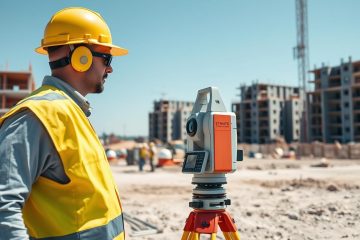
Once the design is in place, the process of construction begins. This is where the rubber meets the road, where abstract concepts are made real through the careful work of skilled craftsmen and laborers. Construction is, in many ways, the most tangible part of building—where raw materials such as wood, steel, and concrete come together through skilled labor to form something solid and enduring.
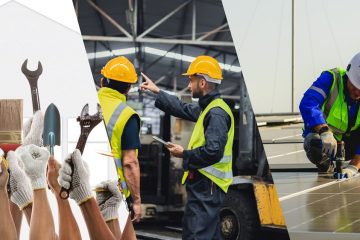
Construction involves a complex interplay of various trades: carpenters, electricians, plumbers, masons, and more. Each trade requires specialized knowledge and skills, and each worker plays a critical role in ensuring the final product is safe, functional, and aesthetically pleasing. The quality of the materials used and the precision with which they are assembled directly impacts the longevity and safety of the building.
But construction is not only a technical endeavor—it is also an art. Great builders take pride in their craft, imbuing every aspect of their work with precision and care. The act of building, at its highest level, can be seen as a form of artistry. A bricklayer’s steady hands laying the foundation, a woodworker’s delicate attention to detail, a painter’s brushstroke on the walls—they all contribute to the final vision. Here, craftsmanship elevates a building from being merely functional to something enduring and beautiful.
Challenges: Overcoming the Obstacles of the Building Process
The act of building is far from straightforward. It is fraught with challenges, each of which requires ingenuity, adaptability, and perseverance. From unexpected weather delays to design adjustments, unforeseen complications often arise during construction, forcing builders to think on their feet and adapt to changing circumstances.
One of the most significant challenges in modern building projects is the need for sustainability. As the global population grows and environmental concerns mount, building practices are shifting to focus on eco-friendly materials and energy-efficient solutions. Green building standards, such as LEED certification, are now commonplace, and there is increasing pressure on construction companies to minimize their environmental impact. This has led to innovations such as solar-powered buildings, smart homes that monitor energy usage, and the widespread use of recycled materials.
Additionally, regulations and codes must be adhered to in every phase of construction. Local building codes, zoning laws, and safety standards ensure that buildings are not only aesthetically pleasing but also structurally sound and safe for habitation. Navigating this regulatory landscape can be a complex and time-consuming process, but it is an essential aspect of the building journey.
The Enduring Legacy of Building
In the end, a building is more than just the sum of its materials and labor; it is a legacy. It becomes a part of the community in which it resides, influencing both the people who occupy it and the city or town around it. Great buildings become symbols of progress and innovation, while others, though less grand in scope, stand as quiet testaments to the lives and memories that unfold within their walls.
The act of building, whether on a large or small scale, carries with it the power to shape society. It transforms landscapes, defines city skylines, and creates the spaces where people live, work, and thrive. Ultimately, to build is to leave an indelible mark on the world, creating something lasting, meaningful, and functional for generations to come. And it is this process of creation, of building something that transcends the ordinary, that makes the art of building one of humanity’s most enduring achievements.
In this age of rapid technological advancements, we often forget that the very spaces in which we live and work are not just products of engineering, but of vision, passion, and craftsmanship. And as long as the human drive to build endures, the possibilities for what we can create remain boundless.